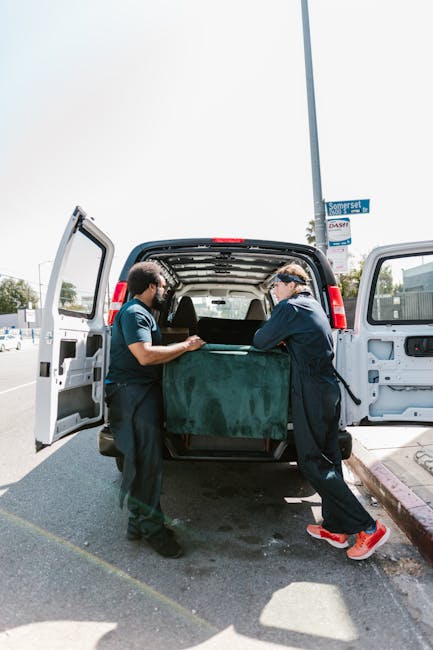
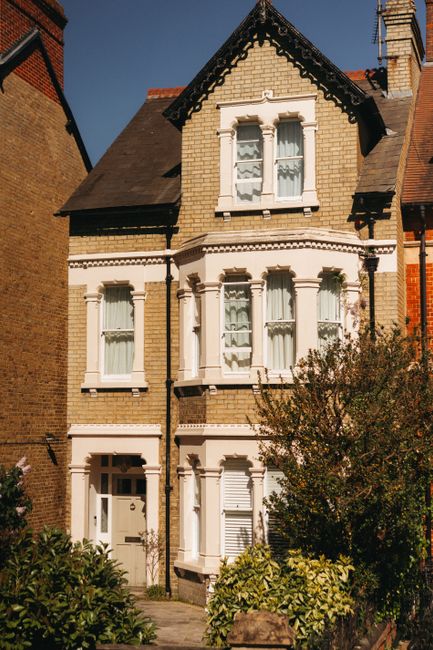
Burlington Road removals for period homes moving tips
Moving out of, or into, a period home near Burlington Road can feel a little different from a standard house move. The ceilings may be higher, the stairs narrower, the finishes more delicate, and the access... well, let's just say it can test even a calm person. These Burlington Road removals for period homes moving tips are designed to help you plan properly, protect original features, and avoid those awkward last-minute surprises that seem to appear right when the van arrives.
Whether your home has sash windows, a Victorian hallway, a heavy antique wardrobe, or a tiny front entrance that barely takes a sofa on a good day, the move deserves a more careful approach. In this guide, you'll find practical steps, useful comparisons, common mistakes, and a realistic checklist for moving day. You'll also see where professional help, such as home moves or specialist packing support, can make the whole process smoother without overcomplicating it.
Quick takeaway: period homes reward careful planning. If you measure access, protect the building fabric, and pack with the property's quirks in mind, the move becomes much easier. Simple. Not always easy, but simple.
Table of Contents
- Why Burlington Road removals for period homes moving tips Matters
- How Burlington Road removals for period homes moving tips Works
- Key Benefits and Practical Advantages
- Who This Is For and When It Makes Sense
- Step-by-Step Guidance
- Expert Tips for Better Results
- Common Mistakes to Avoid
- Tools, Resources and Recommendations
- Law, Compliance, Standards, or Best Practice
- Options, Methods, or Comparison Table
- Case Study or Real-World Example
- Practical Checklist
- Conclusion
- Frequently Asked Questions
Why Burlington Road removals for period homes moving tips Matters
Period homes ask for a different kind of moving strategy. The building itself often has a bit of personality: awkward corners, narrow landings, delicate bannisters, ageing plaster, and timber floors that mark easily. On a busy road or a tight residential street, those quirks become even more important because timing, parking, and access can all affect the move.
That is why Burlington Road removals for period homes moving tips matter so much. A rushed move can lead to scratched floors, chipped paintwork, broken furniture, or unnecessary stress for you and your neighbours. A careful move, on the other hand, protects the property and usually saves time because everyone knows what is happening and when.
There is also a financial side to this. Period homes often contain items that are valuable, bulky, or awkwardly shaped. A decent Victorian chest of drawers, a marble-topped table, or a long dining room mirror is not something you want handled casually. You do not need drama. You need a plan.
And let's be honest, moving is already a day when the kettle is packed too early and somebody always asks where the tape has gone. Any system that reduces chaos is worth having.
How Burlington Road removals for period homes moving tips Works
The best way to handle a period-home move is to treat it as a sequence of small decisions rather than one huge event. First, you assess the property. Then you measure access points, identify fragile features, and decide what needs special wrapping or dismantling. After that, you match the size of the vehicle and crew to the layout of the home and the access outside.
In practical terms, the process usually looks like this:
- Walk through the home room by room and note items that are fragile, heavy, or unusually shaped.
- Measure doors, stair turns, hallways, and any tight outdoor access.
- Check parking and loading space near the property before moving day.
- Pack by room and label clearly so items can be placed back more quickly.
- Protect floors, banisters, corners, and door frames before the lifting starts.
- Use the right people and vehicle size for the job, not just the cheapest option.
If you are choosing between a larger vehicle, a removal van, or a more flexible man and van style service, the layout of a period property should guide the decision. A narrow frontage may favour smaller loads and more trips. A spacious driveway may allow a quicker single-load approach. The home decides more than people realise.
One small but useful point: the move often goes better when the packing plan matches the exit route. If the biggest items need to come down a tight staircase, pack the rest of the house so that area stays clear. Sounds obvious after the fact. On the day, not so obvious.
Key Benefits and Practical Advantages
There are some very real advantages to using period-home-focused removal tips instead of a generic moving checklist. The main one is reduced damage risk, but the benefits go beyond that.
- Better protection for original features: Cornices, bannisters, fireplaces, and old timber floors need different handling from newer, sturdier finishes.
- Less stress on moving day: When people know the route, the timings, and the fragile zones, there is less confusion.
- Faster loading and unloading: Clear labels, room-based packing, and access planning cut down on back-and-forth.
- Improved control over awkward items: Large mirrors, antiques, and oversize furniture are easier to move when prepared in advance.
- Lower chance of neighbour or parking issues: Properly timed loading and sensible vehicle choice help avoid blocked access and complaints.
Another quiet benefit is emotional. Period homes tend to carry history. You may not feel sentimental about every skirting board, but you probably care about keeping the place intact for the next person. That matters. A well-managed move respects the building as much as the belongings.
Expert summary: The smoother period-home moves are usually the ones where the preparation is a little boring. Measurements, labels, wraps, timings, access notes. Not glamorous, but incredibly useful.
Who This Is For and When It Makes Sense
This approach is ideal for anyone moving from or into a period home on Burlington Road or a nearby street where access is tight and the property has older features that need care. It suits homeowners, landlords arranging a tenant handover, and families with heavy or sentimental furniture they would rather not see nicked on a doorframe.
It also makes sense if your move involves any of the following:
- Staircases with a sharp turn or limited headroom
- Original flooring that marks easily
- Oversized furniture that may not fit cleanly through doors
- Antiques, artwork, or fragile decorative pieces
- Limited kerbside loading or parking challenges
- Last-minute dates, split loads, or temporary storage needs
If your move is especially tight on timing, services like same-day removals can be helpful in some situations, but only if the access has been checked properly. Speed is useful, yes. Blind speed is another story entirely.
Truth be told, if you are looking at a very large family move, a full house removals service may be more appropriate than a lighter setup. The right fit depends on volume, access, and how much help you want with packing and unloading.
Step-by-Step Guidance
1. Start with a room-by-room inventory
Begin early, ideally a couple of weeks before moving day if you can. Write down what is going, what is being stored, and what should be sold, donated, or recycled. Period homes often accumulate furniture and decorative pieces over time, so this stage can make the move feel far more manageable.
A quick walk-through with your phone camera helps. Take photos of tricky items, old joins, and any existing marks or wear. That way, if you later need to compare before and after, you have a clear record.
2. Measure the awkward bits
Do not just measure the sofa. Measure the whole route. Door width, hallway corners, stair turns, bannister clearance, ceiling height at the tightest point, and the front entrance. If a wardrobe has to tip slightly to turn, you need to know that in advance. That one detail can decide whether the move is calm or mildly chaotic.
3. Confirm parking and access
Older streets can be awkward for loading. Check where the vehicle can safely stop, how far items will need to be carried, and whether there are any local restrictions. In some cases, parking arrangements are as important as the packing itself. A great team can still lose time if they have to drag boxes too far in the rain.
For moves around Kingston and nearby areas, it is worth reading practical guidance like the parking rules guide for removals and the related permit guide for removals so you understand what is likely to matter on the day.
4. Pack with the building in mind
Use sturdy boxes, wrap fragile items properly, and keep heavier items in smaller boxes. For period homes, it helps to think about the route in the reverse order of packing. If an item will need a narrow turn or careful lifting, pack it so it is easy to identify and access first.
Packing and boxes matter more than people expect. Good packing reduces handling time and protects old plaster walls from accidental knocks.
5. Protect the property before anything moves
Floor coverings, corner protection, and padded wraps for bannisters are worth using. If you have polished floors or painted stair rails, this is not the moment to be casual. One slip can leave a mark that you stare at for years. Nobody wants that little reminder.
6. Load in the right order
Heavy, stable items should usually go in first, followed by medium pieces, then boxes and delicate items. This keeps the load balanced and reduces the chance of shifting in transit. If there is furniture that must be dismantled, do that before the loading queue becomes a crowd.
For especially bulky or sentimental pieces, you may want targeted help such as furniture removals or even careful handling of specialist items like piano removals. Period properties often contain one item that quietly changes the whole moving plan. Usually the piano. Sometimes the wardrobe that seems to have been built in 1890 and weighs like a small car.
7. Unload room by room
Once you arrive, place boxes in the correct rooms rather than dumping everything in the nearest hallway. It saves time later and helps you spot missing items faster. In a period home, this also reduces clutter in narrow passages, where trip hazards are a real nuisance.
Expert Tips for Better Results
Here are the tips that make a genuine difference, not the obvious ones everyone already knows.
- Use extra padding on painted woodwork: Old door frames and stair rails can mark easily, so add protection before lifting starts.
- Label by destination room and priority: "Kitchen - open first" is more useful than a vague label that says "misc".
- Keep a small access kit separate: Tape, scissors, cloths, bin bags, phone charger, and a torch should travel with you, not in the van.
- Move delicate wall art and mirrors early: These items are easier to manage before the day gets busy.
- Plan for weather: A wet London day can make stone steps, paving, and timber thresholds slippery very quickly.
- Have one person in charge of decisions: Too many voices at the doorway slows everything down. It always does.
If you need more practical packing discipline, the guide on moving techniques for packing is a useful companion read. And if decluttering is the real issue, the advice on decluttering before relocating can save you a surprising amount of effort.
One more thing: do not try to be heroic with very heavy items. There is no award for "almost got the wardrobe through the hallway".
Common Mistakes to Avoid
Most period-home move problems are preventable. The trouble is that they are often preventable in ways that feel a bit tedious beforehand. Still, tedious now is better than costly later.
- Ignoring access measurements: Guessing that a sofa will fit is how people end up turning it vertically in the hallway and sweating quietly.
- Underestimating the time needed: Older properties usually take longer to load and unload than newer homes with simpler layouts.
- Using oversized boxes: Heavy boxes become awkward fast, especially on stairs.
- Skipping floor protection: Marks on old floors are stubborn and obvious.
- Packing fragile items with no logic: Random boxing leads to breakages and delays.
- Forgetting parking or access planning: A van with no proper stopping place can throw the whole schedule off.
- Leaving loose valuables until the last minute: Important documents, jewellery, and keys should travel with you.
The other common mistake is assuming every removal company will automatically understand a period property. Some do. Some don't. Ask direct questions. Do they need access photos? Are they comfortable with narrow staircases? Have they dealt with older homes before? That sort of thing saves everybody a headache.
Tools, Resources and Recommendations
You do not need a mountain of kit, but a few sensible tools will make a big difference.
- Quality tape and box markers: Fast labelling matters more than neatness.
- Furniture blankets and wrap: Good for wardrobes, tables, and anything with a delicate finish.
- Corner protectors: Helpful for awkward hall turns and tight doorways.
- Mattress covers: Simple, clean, and worth it.
- Tool kit: You will almost certainly need one for dismantling beds or removing shelves.
- Ratchet straps or ties: Useful for stabilising larger pieces in the vehicle.
If you want help with the hands-on side, services such as packing and unpacking services can reduce the pressure enormously. For larger moves, a moving truck may be more suitable than multiple small trips, while removal services can offer a more complete solution if you want packing, lifting, and transport under one plan.
If you are also clearing out items you no longer want, furniture pick up can be useful for old pieces that are not worth moving. And if storage is part of the picture, perhaps because completion dates do not quite align, storage may keep the whole move from becoming a rush.
Law, Compliance, Standards, or Best Practice
For a home move, the main compliance points are practical rather than legal-heavy, but they still matter. A reputable removal setup should take safety seriously, protect property appropriately, and handle items with care. In the UK, that usually means paying attention to insurance, safe lifting, and sensible vehicle loading practices.
It is also wise to check what is covered if something gets damaged in transit or while being carried in and out of the property. The details vary, so ask before booking rather than after a problem appears. A proper provider should be able to explain its insurance and safety approach clearly and without dancing around the question.
Best practice also includes honest quotes, clear terms, and transparent payment details. If a quote seems vague, ask for a breakdown. You should know what is included, what counts as an extra, and whether there are likely to be access charges or waiting time costs. The company's pricing and quotes information is a good place to start when comparing options.
For your own peace of mind, it helps to understand the basics of customer policies too, even if they are not the most exciting read in the world. Things like terms and conditions, privacy policy, and payment and security all signal how seriously a business handles customer information and transactions.
In short: ask sensible questions, read the basics, and do not be embarrassed to check the boring stuff. Boring stuff is often the useful stuff.
Options, Methods, or Comparison Table
Different moves call for different approaches. The best choice depends on how much you are moving, how complex the property is, and how much help you want.
| Option | Best for | Pros | Limitations |
|---|---|---|---|
| Man and van | Smaller loads, flexible timing, lighter moves | Cost-effective, nimble, useful for tight streets | May require more manual handling and multiple trips |
| Full house removals | Whole-house moves, larger family homes, more furniture | More organised, can handle bigger volumes, usually less stress | Usually higher cost than a small-load option |
| Packing and moving service | Busy households, fragile items, time-poor movers | Less effort for you, better packing consistency | Extra service cost |
| Storage plus move | Delayed completion dates, downsizing, renovation gaps | Flexible, reduces pressure between dates | Needs more planning and coordination |
For many period homes, a mixed approach works best. You might use professional movers for the heavy lifting, pack yourself for everyday items, and arrange storage for furniture that will not fit the new layout immediately. That kind of blended plan is often the least stressful, even if it is not the fanciest-sounding solution.
Case Study or Real-World Example
Here's a realistic example. A couple moving from a traditional older property with a narrow entrance and staircase had a large dresser, a dining table, several mirrors, and a few delicate framed prints. At first, they thought a standard van would be enough. After measuring the hallway and the staircase turn, it became clear that the dresser would need to be wrapped, partially dismantled, and moved first while the route was still clear.
They also had a small parking window outside the house, so the vehicle arrived at the quietest time of day. Boxes were labelled by room, floor protection went down before any lifting started, and the fragile items were loaded in the last section so they could be unloaded first at the other end. Nothing dramatic happened. Which, in removals, is usually the dream.
The biggest difference came from preparation. They had photos, measurements, and a short written plan for each room. The movers spent less time deciding what to do and more time simply doing it. The move still took effort, of course. Moving homes always does. But it felt controlled rather than frantic, and the original features of the property were left untouched.
That is the real lesson. A well-run period-home move is not about being perfect. It is about removing avoidable friction.
Practical Checklist
Use this checklist as a last-pass reminder before moving day.
- Measured doors, stairs, hallways, and entrance points
- Confirmed parking and loading access
- Identified fragile period features that need protection
- Separated valuables and important documents to travel with you
- Labelled boxes by room and priority
- Wrapped delicate furniture and artwork properly
- Prepared floor and wall protection for tight areas
- Checked whether any furniture needs dismantling
- Confirmed the vehicle size matches the property access
- Kept tape, tools, and cleaning cloths easy to reach
- Set aside water, snacks, and chargers for the day
- Planned a clear unloading route into the new home
One-line reminder: if it can be measured, label it. If it can be protected, protect it.
For moves involving larger domestic clear-outs, you may also want to look at house removalists or even removals services more broadly, especially if your timeline is tight or the contents are fuller than expected.
Conclusion
Burlington Road removals for period homes moving tips are really about one thing: respecting the character of the property while keeping the move practical and manageable. When you plan access, protect fragile features, pack with purpose, and choose the right level of help, you reduce risk and save time. That means less damage, less stress, and a move that feels far more under control.
If your situation is more complex than a straightforward family move, do not try to wing it. A period home often needs extra thought at the planning stage, and that bit of care goes a long way. A quiet, well-organised moving day is still the best kind.
Get a free quote today and see how much you can save.
And if you are still in the sorting-and-planning phase, take it one room at a time. Small steps. That's usually how the good moves happen.
Frequently Asked Questions
What makes period home removals different from a normal house move?
Period homes often have tighter staircases, more delicate finishes, and awkward access points. That means the move usually needs better planning, more protection for floors and woodwork, and a more careful approach to bulky furniture.
Do I need a specialist removal service for a period property?
Not always, but it can help. If the house has narrow entrances, fragile features, or heavy antiques, a removal service with experience in older homes is usually a better fit than a basic load-and-go option.
How far in advance should I plan a move from a period home?
Ideally, start planning a few weeks ahead if possible. That gives you time to measure access, sort parking, pack properly, and arrange any extra help for furniture, packing, or storage.
What should I measure before moving day?
Measure door widths, hallway turns, stair bends, ceiling height at tight spots, and the entrance route outside the property. It is the full route that matters, not just the item you are moving.
How can I protect old floors and bannisters during the move?
Use floor coverings, padded wraps, and corner protection before any heavy items start moving. If your property has polished timber or painted rails, that protection is well worth the effort.
Is a man and van service enough for a period home move?
It can be, if the load is smaller and the access is manageable. For bigger family homes or more fragile furniture, a larger removal service may be more practical.
What are the biggest mistakes people make when moving from older homes?
The biggest ones are underestimating access problems, using poor packing materials, and leaving parking arrangements too late. Those are the classic headaches.
Should I dismantle furniture before the movers arrive?
If a bed, wardrobe, or table is likely to be awkward on the stairs, dismantling it in advance can help a lot. Just keep the fixings together and label each piece clearly.
Can I store furniture if my moving dates do not line up?
Yes, storage can be a very sensible option if there is a gap between moving out and moving in. It is especially useful for period furniture or items you do not want crowding the new place immediately.
How do I know if a quote is fair?
Look for clarity. A fair quote should explain what is included, what could cost extra, and whether access, waiting time, or larger items may affect the final price.
What should I keep with me on moving day?
Keep valuables, documents, keys, phone chargers, medication, and a small essentials bag with you. It saves stress and avoids the panic of hunting for one important thing in a mountain of boxes.
Can I move antiques safely without special packing?
It is not a good idea. Antiques usually need more padding, better wrapping, and more careful lifting than everyday furniture. If in doubt, treat them as fragile and plan accordingly.
What is the best way to make a period-home move less stressful?
Measure early, pack clearly, protect the property, and choose the right level of support. Honestly, the calmer the preparation, the easier the day tends to be.