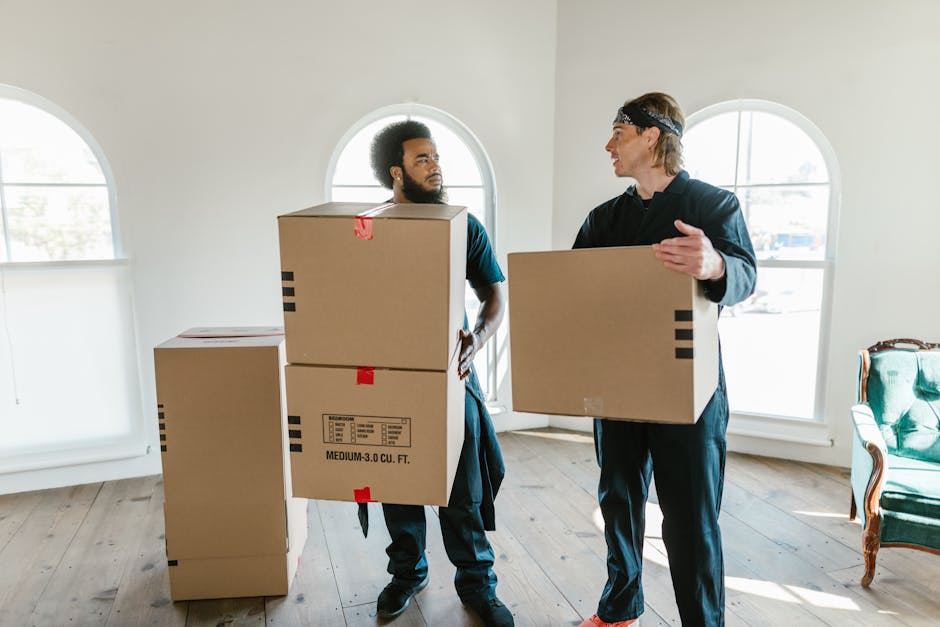
Insured licensed removals New Malden what to expect
If you are planning a move and want fewer surprises, insured licensed removals in New Malden are usually the safest place to start. The phrase sounds formal, but the idea is simple: you want a removal team that is legitimate, covered, and organised enough to handle your belongings properly. That matters whether you are moving out of a flat near the High Street, shifting a family home, or relocating a small office with a bit too much paperwork and not quite enough boxes.
In this guide, we'll walk through insured licensed removals New Malden what to expect in practical terms: what "insured" and "licensed" really mean, how the service normally runs, what should happen on moving day, where the risks are, and how to choose a company without getting lost in sales talk. Truth be told, a good removal day often feels uneventful. And that is exactly the point.
You will also find a checklist, a comparison table, a real-world example, and some straight answers to common questions. If you want to compare service details while reading, it can help to look at removal services, house removals, or flat removals alongside this article so you can match expectations to the type of move you actually have.
Table of Contents
- Why Insured licensed removals New Malden what to expect Matters
- How Insured licensed removals New Malden what to expect Works
- Key Benefits and Practical Advantages
- Who This Is For and When It Makes Sense
- Step-by-Step Guidance
- Expert Tips for Better Results
- Common Mistakes to Avoid
- Tools, Resources and Recommendations
- Law, Compliance, Standards, or Best Practice
- Options, Methods, or Comparison Table
- Case Study or Real-World Example
- Practical Checklist
- Conclusion
- Frequently Asked Questions
Why Insured licensed removals New Malden what to expect Matters
Moving home or business premises involves a lot more than loading a van and driving away. There are fragile items, awkward staircases, parking restrictions, tight time windows, and the ever-present possibility that something gets scratched, dropped, delayed, or simply forgotten in the back room. That is why insured licensed removals matter.
"Licensed" suggests the business is operating properly and professionally, not as a casual side hustle with no clear accountability. "Insured" means there is cover in place if something goes wrong, though the exact level and type of cover can vary. You should never assume every policy works the same way. Ask what is covered, what is excluded, and whether there are any conditions attached to transit or handling claims.
That may sound cautious, but it is just sensible. Let's face it, once your sofa is halfway down the stairs, nobody wants to discover the important details then.
For New Malden customers, local familiarity matters too. A removals team that understands residential streets, narrow access points, permit-sensitive areas, and apartment blocks with limited lift access can save time and reduce stress. If your move involves a larger property or multiple rooms, you may also want to compare support options such as home moves or office removals depending on the move type.
The real value of insured licensed removals is not just protection. It is confidence. You know who is handling the job, what standards they follow, and what happens if plans change at short notice. That alone can take a lot of the edge off moving day.
How Insured licensed removals New Malden what to expect Works
Most insured licensed removals follow a fairly similar process, even if the wording on the website differs. The details may change with the size of the move, but the structure is usually familiar.
1. Initial enquiry and quote
You explain what needs moving, where from, where to, and what special items are involved. A good company will ask the practical questions: stairs, parking, access, packing help, storage needs, and whether you need dismantling or reassembly. If the quote feels suspiciously vague, that is a small warning light.
It often helps to review the company's pricing and quotes information early, because the way a mover structures costs says a lot about how the job will be handled.
2. Booking and confirmation
Once you agree the date, you should receive a clear booking confirmation. This usually includes the service type, timing, address details, and any notes about access or parking. For more complex jobs, the mover may confirm the vehicle size or crew size too.
3. Pre-move preparation
Before moving day, you'll normally be asked to pack smaller items, label boxes, and protect anything delicate. If you need extra help, services such as packing and boxes or packing and unpacking services can make a very real difference. Honestly, the difference between a smooth move and a frantic one often comes down to preparation.
4. Arrival and walk-through
On the day, the crew should arrive within the agreed window, introduce themselves, and take a quick look at the load before starting. Expect them to check what is going first, what needs wrapping, and whether there are items that need special handling. If you have a piano, heavy cabinet, or artwork, say so immediately. Don't wait for them to guess; they won't be amused.
5. Loading and transit
The team will load items methodically, usually starting with larger furniture and then working through boxes and smaller pieces. A professional crew will use blankets, straps, trolleys, and basic protection to reduce the risk of movement in transit. This is also where insurance and safe handling procedures really matter.
6. Delivery and placement
At the destination, the movers should place items in the correct rooms where practical, based on your instructions. If you have marked boxes clearly, this stage becomes much easier. Some people think moving ends when the van door closes. In reality, the best part is when the wardrobe lands in the right bedroom without anybody asking, "Was this the spare room or the office?"
7. Completion and any follow-up
After unloading, a licensed and insured removals provider should close things out clearly. If there is damage, missing item concern, or a service issue, you should know the claims or complaints route. For that reason, it is worth checking the company's complaints procedure and terms and conditions before moving day, not after.
Key Benefits and Practical Advantages
The main benefit of insured licensed removals is obvious: reduced risk. But in practice, the advantages go beyond damage cover.
- Better accountability: a proper business process means someone owns the outcome.
- Improved handling: trained crews tend to use safer lifting and loading techniques.
- Less stress: you are not wondering whether the driver will turn up, or whether your booking was properly recorded.
- Clearer communication: you get more certainty around timing, access, and the scope of the job.
- Help for awkward items: larger or heavier belongings are handled with more care.
- More confidence in claims handling: if something does go wrong, there is a process behind it.
There is also a subtle benefit people overlook: insurance and licensing often indicate that the business takes compliance seriously overall. That tends to spill into the rest of the service, including safety, punctuality, and payment handling. If a company is careful with paperwork, there is a decent chance it is careful with your furniture too.
For customers who want a straightforward vehicle-and-labour option, services like man and van, man with a van, or removal van can be practical, especially for lighter or smaller moves. If the job is bigger, a removal truck hire option may fit better.
Who This Is For and When It Makes Sense
Insured licensed removals are a smart choice for most people, but they make especially good sense if your move involves anything valuable, bulky, fragile, or time-sensitive.
Home movers benefit when the property is full of mixed items and not everything is easy to carry. Families often have furniture, toys, boxes of paperwork, and a few "we'll sort that later" cupboards. Those cupboards, naturally, sort themselves into extra boxes.
Flat movers often need a team that understands access challenges, shared entrances, and tight parking. If you are in an apartment building or upper floor without easy access, flat removals are usually more efficient than trying to improvise on the day.
Office relocations need careful planning because there may be computers, files, desks, and downtime to avoid. A sensible route is to consider office relocation services or commercial moves if the move involves a business-critical handover.
Students and renters may not need a full-scale removals package, but insurance still matters. A few damaged boxes can be a big headache when you are working to a move-out deadline. For those moves, student removals can be a useful fit.
And if you are asking yourself whether it is "worth it" for a smaller move, the answer is usually yes if the contents matter to you or if the timing is tight. If the load is tiny and low-value, a lighter service may suffice. But if you would regret seeing a scratch on it next week, that's your answer really.
Step-by-Step Guidance
- List everything that needs moving. Include furniture, white goods, boxes, fragile items, and anything awkward like mirrors or lamps. The clearer the inventory, the fewer surprises.
- Check access details carefully. Note stairs, lifts, narrow hallways, parking restrictions, and whether the van can get close to the entrance.
- Ask what insurance covers. Find out whether transit, loading, unloading, and accidental damage are included, and whether there are item limits.
- Confirm the licence or business status. You want a provider that presents itself as a real company, not a casual arrangement with no clear paper trail.
- Choose the right service level. Some moves only need transport, while others need packing, dismantling, storage, or timed delivery.
- Prepare fragile items separately. Keep essentials, documents, keys, medication, and valuables with you.
- Label rooms and boxes. A simple label system saves time and confusion at the destination.
- Reconfirm the day before. A quick check on timing, address, and parking can prevent annoying last-minute issues.
- Walk through the property at delivery. Make sure items are in the right place before the crew leaves if possible.
- Keep paperwork. Save the quote, booking confirmation, and any condition notes. If something needs to be raised later, you'll be glad you did.
That may sound like a lot, but most of it is common sense dressed up in moving-day clothing. The more you prepare, the less your day feels like a scavenger hunt.
Expert Tips for Better Results
Here are the small things that often make the biggest difference.
- Book earlier than you think you need to. Good dates go quickly, especially at the end of the month and on weekends.
- Measure bulky furniture. A sofa that looks fine in the lounge may be awkward in a narrow stairwell. Measure doors too, not just the sofa.
- Keep a "first night" box separate. Kettle, chargers, toilet rolls, snacks, bedding, and a phone cable. Basic, yes, but it saves a lot of rummaging.
- Take photos of valuable items before the move. This is not dramatic, just sensible record-keeping.
- Ask about dismantling in advance. Some beds and wardrobes need it, and last-minute discovery is never ideal.
- Protect floors and corners where needed. Good movers usually bring sensible protection, but if you have a fragile property finish, mention it.
- Be clear about what is staying behind. A half-empty garage or loft can be where mistakes happen. Easy to forget, oddly enough.
If you are moving a delicate or upright instrument, specialised services such as piano removals are worth considering rather than treating it as just another bulky item. Pianos are a bit stubborn that way.
One more practical point: if you need temporary off-site holding, storage can reduce pressure when completion dates or keys do not line up neatly. That mismatch happens more often than people like to admit.
Common Mistakes to Avoid
Most moving problems are preventable. They usually come from assumptions rather than bad luck.
- Assuming all insurance is the same. It isn't. Read the scope properly.
- Forgetting access details. A van that cannot park close enough can add delay and effort.
- Underestimating packing time. Packing always takes longer than the optimistic version in your head.
- Leaving loose items out. Small items vanish into the chaos, especially around hallways and kitchens.
- Not checking what the quote includes. Does it cover loading, unloading, furniture handling, or waiting time?
- Choosing only on price. Cheap is not automatically bad, but if a quote is far below the rest, ask why.
- Not planning for parking. In New Malden, parking and access can be more important than people expect.
- Waiting to raise damage concerns. If something is wrong, mention it promptly and keep notes.
A good move should not feel perfect. It should feel controlled. There's a difference, and it matters.
Tools, Resources and Recommendations
You do not need a mountain of equipment, but a few basics help the whole day run more smoothly.
- Strong boxes in mixed sizes
- Packing tape and tape gun
- Permanent marker labels
- Furniture covers or blankets
- Bubble wrap or paper for fragile items
- Zip bags for screws, plugs, and fittings
- Basic toolkit for dismantling and reassembly
- Phone charger and essential documents kept separately
For many households, the best support mix is a combination of transport, packing help, and clear planning. If your move is broader than just one van load, service pages like removal services, removals, and house removalists can help you compare what level of support is actually relevant.
For business moves, keep folders, cables, and labelled boxes together, and avoid mixing archive material with general office clutter. Office relocations are often slowed down by one thing only: mixed-up small items. The big desk is easy. It's the ten missing chargers that drive everyone mad.
Law, Compliance, Standards, or Best Practice
When people search for insured licensed removals, they are often really asking one thing: can I trust this business with my belongings? In the UK, that trust is built through a combination of practical insurance, proper business operation, sensible handling procedures, and clear customer terms.
It is wise to expect the provider to have:
- clear booking and pricing information
- transparent terms and conditions
- some form of liability or transit cover, explained in plain English
- health and safety awareness for lifting and loading
- a complaints route if something goes wrong
- secure handling of customer information and payments
You can also check whether the business explains its own approach to safety and protection. That is where pages like insurance and safety, health and safety policy, payment and security, and privacy policy become genuinely useful, not just legal filler.
Best practice is simple: the customer should understand what is being moved, what level of cover exists, what is excluded, and how to contact the company if something needs attention. If any of that feels vague, ask. A reputable provider should not mind the question.
Options, Methods, or Comparison Table
Different moves need different levels of support. Here is a practical comparison to help you decide what fits.
| Option | Best for | Typical strengths | Watch-outs |
|---|---|---|---|
| Man and van | Smaller loads, short-distance moves, flexible jobs | Simple, fast, often efficient | May be limited for larger furniture or full homes |
| Removal van | Medium-sized home or flat moves | More space and structure than a small vehicle | Needs sensible packing and access planning |
| Removal truck hire | Larger households or bulky contents | Higher capacity, better for bigger jobs | May need more loading time and coordination |
| Full removals service | Complete home or office moves | More support, more accountability, less stress | Usually more expensive than basic transport-only help |
If you are still unsure, think about the practical reality rather than the label. A one-bedroom flat with a piano and lots of books can be more demanding than a larger place with light furniture. Size on paper is not always the whole story.
For commercial or timed moves, it may also help to compare office removals with commercial moves, since the right approach depends on how much downtime your business can tolerate.
Case Study or Real-World Example
Here's a realistic example from the sort of move people in New Malden often face.
A couple in a second-floor flat needed to move into a small terrace house. They had a sofa, bed frame, dining table, several boxes of kitchenware, and a few fragile pieces. At first, they thought they only needed a quick van hire. Once they checked the access, though, they realised the staircase was tight and the sofa would need careful handling. They also had no room for a failed lift attempt. Not ideal.
They booked an insured licensed removals team, confirmed the inventory, and packed the smaller items in advance. The crew arrived on time, wrapped the sofa, protected the table edges, and loaded everything in a sensible order. One item needed a bit of extra patience going through the hallway, but the move stayed controlled. No drama. No missing screws rolling under the radiator. Lovely.
The difference was not magic. It was planning, proper cover, and a team used to handling awkward access. That is what good removals should feel like: calm, practical, and quietly competent.
Practical Checklist
Use this quick checklist before your move date.
- Confirmed move date and arrival window
- Checked what insurance cover is included
- Read the terms and conditions
- Noted all access issues, stairs, lifts, and parking
- Measured large furniture and doorways
- Booked packing help if needed
- Labelled boxes by room and priority
- Set aside valuables and essentials to keep with you
- Protected fragile items separately
- Confirmed whether dismantling or reassembly is included
- Reviewed the complaints process in case it is needed
- Arranged storage if move dates do not align
If you can tick most of those off, you are already ahead of the game. Seriously, that alone saves a lot of last-minute stress.
Conclusion
Insured licensed removals in New Malden are about more than moving boxes from one address to another. They are about trust, preparation, and knowing that your belongings are being handled by a team that takes responsibility seriously. When you understand what to expect, the whole process becomes less intimidating and much easier to manage.
The best outcome is rarely the flashiest one. It is the move that runs on time, keeps your items safe, and leaves you with enough energy to make tea at the new place before the kettle disappears into a box. That is the standard worth aiming for.
If you want to compare services and plan the right level of support, take a look at the relevant options and see which one fits your move best. A careful choice now can save you a lot of hassle later, and that is usually money well spent.
Get a free quote today and see how much you can save.
Frequently Asked Questions
What does insured licensed removals actually mean?
It usually means the removals company operates as a proper business and has insurance in place for handling and transporting your belongings. The exact cover can vary, so it is worth asking what is included before you book.
How do I know if a removals company is genuinely insured?
Ask for a clear explanation of the insurance type, what it covers, and any exclusions. A trustworthy company should be able to explain this in plain language without making it feel like a secret.
Is a licensed removals service better than a cheap man and van option?
Not always better for every move, but often safer and more reliable for valuable, fragile, or larger jobs. A smaller transport-only service can be fine for simple moves, but insurance and process matter more once the job gets complicated.
What should I expect on moving day?
Expect the team to arrive within the agreed window, review the load, handle items carefully, and place boxes and furniture in the destination rooms where possible. A brief walk-through at the start and end is normal.
Do insured removals cover damage to every item?
Usually not every item in every situation. Cover often depends on the policy, the condition of the item, how it was packed, and whether the issue falls within the policy terms. That is why the small print matters.
How far in advance should I book removals in New Malden?
As early as you reasonably can, especially if you want a weekend slot or month-end move. Busy periods fill quickly, and late booking can limit your options.
Can removals teams help with packing?
Yes, many can help with packing, boxes, and unpacking. If you want less pressure, it is worth exploring packing and unpacking services alongside the move itself.
What if my new place has limited parking or awkward access?
Tell the removals company as early as possible. Access details affect vehicle choice, crew size, timing, and whether items need to be carried farther than usual.
Are office moves handled differently from home moves?
Yes, they usually need tighter timing, more planning, and extra care with IT equipment and documents. For that reason, office relocation services are often a better fit than a basic move.
Should I choose storage if my dates do not line up?
If there is a gap between leaving one property and entering another, storage can reduce pressure and prevent rushed decisions. It is often a very practical bridge rather than an extra complication.
What is the biggest mistake people make when booking removals?
Underestimating the detail. People often skip access notes, packing time, or insurance questions, then get surprised later. A few careful checks at the start usually prevent the messy bits.
Where can I find more information about safety and policies?
It is sensible to review the company's own pages on insurance and safety, health and safety policy, and terms and conditions before moving day. That gives you a clearer picture of how they work.
Is insured removals worth it for a small flat move?
Often yes, especially if you have valuable furniture, delicate items, or limited access. Even small moves can become awkward quickly, and a bit of protection goes a long way.
In the end, the right removals choice is the one that gives you a calm handover and a cleaner start in your new place. That peace of mind is not fancy, but it is worth a lot.