Kingston Road man and van New Malden tight access guide
If you are planning a move on Kingston Road, New Malden, and the access looks awkward, cramped, or just a bit unpredictable, you are not alone. A Kingston Road man and van New Malden tight access guide is really about one thing: helping you move without turning a simple job into a stressful, furniture-scraping ordeal. Narrow entrances, parked cars, awkward stairwells, and limited turning space can all change how a move is planned.
That is where a local, well-prepared man and van setup earns its keep. With the right planning, even a tight-access property can be handled calmly and efficiently. In this guide, you will find practical advice on how tight access jobs work, what to check before booking, what can go wrong, and how to make the day run better. Nothing fancy. Just useful, real-world guidance that saves time and a few headaches.
Why Kingston Road man and van New Malden tight access guide Matters
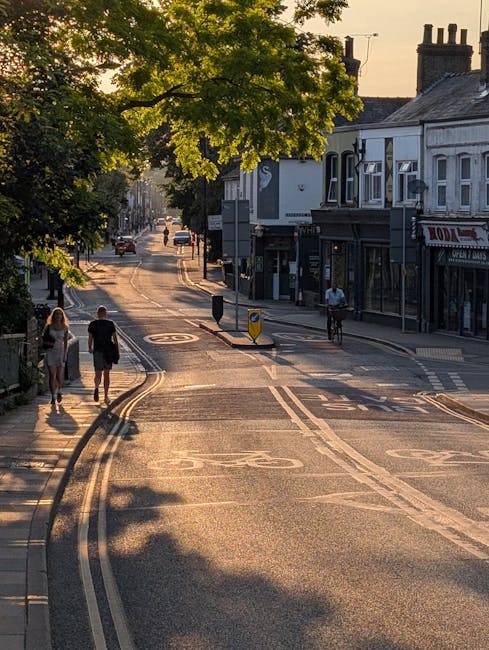
Kingston Road has the kind of access quirks that can catch people out: older housing layouts, on-street parking pressure, and the occasional driveway or courtyard that looks fine for a car but not so fine for a loaded van. On paper, the move might look small. In practice, one tight gate or a badly parked neighbour can change the whole operation.
For a man and van service, tight access matters because the vehicle choice, loading method, parking position, and carrying distance all affect how long the job takes and how safely it can be done. If the access is underestimated, the team may need extra time, manual carrying, or even a different vehicle altogether. And yes, that can affect the price and the plan.
The real value of a tight access guide is that it helps everyone arrive prepared. You want fewer surprises, fewer half-finished lifts, and fewer moments where someone mutters, "Right, we'll have to rethink this." We have all been there, to be fair.
Expert summary: tight access moves are rarely difficult because of the distance itself; they become difficult when access details are missed. Measure first, plan the van size second, and leave a margin for reality.
How Kingston Road man and van New Malden tight access guide Works
The process starts before the van turns up. A proper tight access move is usually assessed using a few simple questions: how wide is the entry point, where can the vehicle stop, how far is the carry from the door, and are there stairs, corners, or obstacles inside the property?
In a practical sense, the job is broken into stages. First comes access checking. Then vehicle planning. Then loading strategy. Then the actual movement, which may involve shorter loads, more careful wrapping, and a bit more time than a straightforward kerbside job. Nothing dramatic, just sensible logistics.
For example, a one-bedroom flat off Kingston Road might be a very straightforward move if there is clear roadside parking and a ground-floor exit. But if the van cannot stop outside, the same job becomes more labour-heavy because everything has to be carried farther. That is the difference between "simple" and "slightly fiddly."
If you are booking a broader home move, you may also find it useful to look at home moves, flat removals, or removal services for context on how different types of move are handled.
Key Benefits and Practical Advantages
The biggest benefit of planning for tight access is control. You know what to expect, the movers know what to expect, and the job is far less likely to stall halfway through. That alone can reduce stress quite a bit.
- Better vehicle matching: a smaller van may be more suitable than a larger moving truck when space is limited.
- Safer lifting: fewer awkward last-minute manoeuvres mean less chance of damage to items or property.
- Less wasted time: if the access route is known in advance, the crew can plan the sequence properly.
- Reduced disruption: tighter streets and shared entrances often require more considerate timing and parking.
- Improved cost control: the right plan can prevent avoidable delays and extra handling.
There is also a confidence factor. When you know the route from front door to vehicle, you stop worrying about whether the sofa will fit, whether a parking spot is realistic, or whether the fridge will need an extra pivot to clear the wall. Those little uncertainties add up.
For people comparing service styles, it can help to understand the difference between a man and van, a man with van, and a larger moving truck. In tight access settings, smaller and more flexible is often the smarter call.
Who This Is For and When It Makes Sense
This guide is for anyone moving from or to a property on Kingston Road where access may be restricted, awkward, or just not ideal for a larger vehicle. That includes people in flats, terraces, converted houses, shared buildings, and homes with limited off-street parking.
It also makes sense if you are moving:
- heavy furniture through narrow hallways or staircases
- items from a first-floor or upper-floor flat
- boxes from a place with no clear loading bay
- student belongings, which somehow always multiply at the last minute
- office equipment or stock from a compact commercial unit
Students, for instance, often need fast, compact help rather than a full-scale removals crew. In that situation, a service like student removals can be a better fit. If you are moving business assets, commercial moves or office removals may be more appropriate.
It is also worth saying this plainly: not every tight access job needs a huge vehicle and a large team. Sometimes the best answer is a tidy van, a careful plan, and two steady hands. Simple, but effective.
Step-by-Step Guidance
Here is a practical way to plan a Kingston Road tight access move without overcomplicating it.
- Measure the obvious access points. Check gates, alley widths, stair turns, entrance doors, and any low branches or tight corners outside.
- Note parking limitations. If there is no guaranteed space outside, say so early. A crew can work with that, but they need to know.
- List your largest items. Sofas, wardrobes, beds, pianos, and tall appliances are usually the first things to assess.
- Share floor details. Ground floor, first floor, basement, and split-level access all change the handling plan.
- Decide what needs dismantling. A bed frame or wardrobe that comes apart may save time and reduce the risk of damage.
- Prepare the property. Clear hallways, move loose rugs, and keep doorways open where possible.
- Confirm the loading order. Items placed in the van in the wrong sequence can cause extra handling later. Bit annoying, easily avoided.
- Build in a time buffer. Tight access usually means the job will take a little longer than a standard kerbside move.
One useful habit is to walk the route from your front door to where the van might stop. You will quickly spot the small stuff: a step you forgot about, a door that opens inward, or a wall corner that will make the mattress pivot awkward. Those details are gold on moving day.
If you need help with packing before the move, consider packing and boxes or packing and unpacking services. Good packing makes tight access jobs much smoother because items are easier to carry, stack, and protect.
Expert Tips for Better Results
From experience, the best tight access moves are the ones where the customer is a bit over-prepared rather than under-prepared. Not in a stressful way. Just organised.
- Send photos of the access route. A few pictures of the entrance, stairs, and parking area can say more than a long message.
- Keep the largest items accessible first. Do not bury the sofa behind ten boxes of books unless you absolutely have to.
- Use smaller boxes for heavy items. It sounds obvious, but it saves backs and saves time.
- Protect the property. Think floor runners, door guards, or just a clear path with nothing loose to trip over.
- Check whether dismantling is worth it. Some furniture becomes much easier once it is broken into safer sections.
- Keep children and pets out of the route. Tight access means less room for sudden movement. A curious cat can become a surprisingly efficient obstacle.
Another good tip is to think in terms of "touches." Every extra time an item has to be lifted, turned, or shifted is another chance for delay or damage. Reduce the number of touches and the whole move tends to go better. That is the quiet secret, really.
If you are moving a fragile instrument or something with unusual shape, a specialised service such as piano removals may be worth considering because the handling approach is different from standard furniture.
Common Mistakes to Avoid
The most common mistake is assuming that "it will probably be fine." Tight access moves are exactly the kind where assumptions cause trouble. Better to know, ask, and confirm.
- Underestimating parking constraints: a van cannot magic itself into a space that is already occupied.
- Forgetting about stair width: a sofa that fits in the room may still fail at the turn on the stair landing.
- Not mentioning access codes or entry procedures: if the movers cannot get through the door, the clock keeps ticking.
- Leaving packing to the last minute: rushed boxes are more likely to split, especially on longer carries.
- Choosing the wrong vehicle size: too large can mean access issues; too small can mean extra trips.
- Ignoring weather: a wet pavement or narrow entrance in the rain is awkward, plain and simple.
There is also a subtle one people miss: overfilling boxes. A box that is too heavy becomes much harder to move in tight spaces, especially on stairs. Keep weight manageable and the job feels far less punishing.
If you need short-term holding while access or timing is being sorted, storage can sometimes take the pressure off. Not every move has to happen in one perfect sweep.
Tools, Resources and Recommendations
You do not need a lot of fancy kit for a tight access move, but the right basics make a clear difference.
| Tool or item | Why it helps | Best used for |
|---|---|---|
| Furniture blankets | Protects corners, doors, and polished surfaces | Sofas, tables, wardrobes |
| Ratchet straps | Helps secure items during transport | Mixed-load van journeys |
| Sturdy boxes | Better stacking and safer carrying | Books, kitchenware, personal items |
| Protective gloves | Improves grip and reduces minor knocks | Cold or damp loading days |
| Dolly or sack truck | Reduces manual carrying on suitable surfaces | Heavier boxes and appliances |
For customers comparing service levels, it can help to explore removal van, removal truck hire, and removal services. Different jobs need different levels of support, and tight access often pushes the decision toward smaller, more agile solutions.
It may also help to keep a note on your phone with measurements, access codes, and any awkward bits of the route. It sounds a bit low-tech, but it works. And on moving day, low-tech often wins.
Law, Compliance, Standards, or Best Practice
For most residential moves, the main compliance issues are practical rather than complicated. Safe lifting, sensible loading, and responsible parking matter a great deal. If a vehicle is stopping on a public road, it should be parked legally and without creating unnecessary obstruction. That part is just common sense, but it is worth stating clearly.
Good moving practice also means taking care of property and belongings, keeping routes as clear as possible, and handling items in a way that reduces risk. For shared blocks and managed properties, there may be building rules about access, lifts, or moving times. Those are usually set by the landlord, managing agent, or building management, so it is wise to check them early.
On the service side, trust signals matter too. It is reassuring when a company is clear about its insurance and safety, follows a visible health and safety policy, and is transparent about terms and conditions and pricing and quotes. Not glamorous, but absolutely important.
Where sustainability matters, especially for mixed loads or furniture disposal, a service with a responsible approach to recycling and sustainability can make the moving process feel a bit more thoughtful. Small detail, maybe. Still counts.
Options, Methods, or Comparison Table
Choosing the right moving method depends on access, load size, and how much handling is involved. Here is a straightforward comparison.
| Option | Best for | Pros | Watch out for |
|---|---|---|---|
| Man and van | Small to medium moves with tricky access | Flexible, quick, usually easier to place near narrow streets | May need more trips for larger loads |
| Man with van | Compact moves and item-by-item transport | Practical for limited parking or shorter carries | Not ideal for bulky multi-room moves |
| Removal van | General domestic moving with moderate access | Balanced capacity and manoeuvrability | Size still needs checking against the street layout |
| Moving truck | Larger homes or commercial loads | Higher capacity, fewer trips | Can be awkward on tight Kingston Road access points |
In many tight access cases, the smaller option wins. That is not because it is "lesser"; it is because it fits the reality of the street. A well-loaded smaller van can do a better job than an oversized vehicle that cannot stop where it needs to.
Case Study or Real-World Example
Here is a realistic example based on the kind of job this guide is meant to help with.
A customer moving from a top-floor flat near Kingston Road had two large sofas, a bed frame, several boxes, and a narrow communal entrance. The van could not park directly outside because the street was already busy with resident vehicles. Nothing catastrophic, just one of those days where the space you want is always taken.
Instead of forcing a larger vehicle into a poor position, the move was planned around a shorter van stop and a more careful carrying route. The bed frame was dismantled first, the boxes were grouped by weight, and the sofa covers were fitted before lifting began. The team spent a bit longer on the carry, but the move stayed controlled and there was no damage to walls or doorframes.
What made the difference? Preparation. The customer had taken photos of the stairwell, flagged the parking issue, and kept the route clear. Nothing heroic. Just useful, ordinary planning. That is usually enough.
Practical Checklist
Use this checklist before your Kingston Road tight access move.
- Measure gates, doorways, and staircase turns
- Check where the van can legally and safely stop
- Photograph the access route and any awkward corners
- List your largest and heaviest items
- Decide what furniture needs dismantling
- Pack heavy items into smaller boxes
- Keep hallways and entrances clear
- Confirm building rules, entry codes, or time restrictions
- Make sure fragile items are wrapped and labelled
- Have a backup plan for storage if timing needs to shift
Quick tip: if you can walk the route carrying a box without bumping into anything, you are already halfway to a smoother move. If you cannot, the van team will probably need a smarter plan. Fair enough.
Get a free quote today and see how much you can save.
Conclusion
A tight access move on Kingston Road does not have to be a stressful one. Once you know the access limits, choose the right vehicle, and prepare the route properly, the whole process becomes much more manageable. The goal is not perfection. The goal is a move that feels calm, efficient, and free of avoidable drama.
Whether you are handling a flat move, a home relocation, or a smaller local job, the same principle applies: measure first, plan clearly, and leave a little breathing room for the realities of the street. That small bit of foresight can save a lot of hassle later. And honestly, that is worth doing.
To learn more about the people behind the service, you can also visit about us or review the practical details in insurance and safety before you book. A little reassurance goes a long way when you are moving under pressure.
Handled well, even a tight-access move can feel surprisingly straightforward. And that is a good place to be.
Frequently Asked Questions
What counts as tight access on Kingston Road?
Tight access usually means the van cannot stop directly outside, the entrance is narrow, the stairwell is awkward, or there is limited room to turn and load items safely. Sometimes it is one issue, sometimes a few at once.
Should I book a smaller van for a tight access move?
Often, yes. A smaller van is usually easier to place on a narrow residential street and may be simpler to load in awkward spaces. The best choice depends on your load size, but for restricted access, flexibility matters a lot.
How do I tell a mover about access problems properly?
Be specific. Mention staircases, parking restrictions, narrow gates, floor level, and any distance from the property to the van. Photos are especially helpful. A quick message saying "it's a bit tight" is not quite enough.
Does tight access make the move more expensive?
It can, because it may take longer or require extra carrying effort. That said, good planning can reduce unnecessary cost. The best approach is to be upfront so the quote reflects the real conditions.
What items are hardest to move through narrow access?
Sofas, wardrobes, mattresses, fridge freezers, and anything bulky or heavy usually create the most difficulty. Pianos and awkward appliances need extra care and often a more specialised approach.
Can a man and van handle a flat move with no parking outside?
Yes, often it can, provided the access route is manageable and the mover knows about the parking situation in advance. It may take longer, but that does not automatically make it a problem.
What should I measure before moving day?
Measure door widths, stair turns, gate openings, and any corridor pinch points. Also check where the van is likely to stop, because the walking distance from vehicle to door matters more than people sometimes expect.
Is dismantling furniture worth it for tight access?
Usually, yes, if the items are large or awkward. Breaking down beds, tables, and some wardrobes can make the move safer and faster. Just keep the screws and fittings together so you are not hunting for them later.
What if access changes on the day because of parked cars or road conditions?
That happens. A good mover will adjust the plan as best they can, but it is another reason to allow a little extra time and keep communication open. Tiny changes can ripple through the whole job.
Are packing services useful for tight access moves?
Very much so, especially if you have fragile items, lots of boxes, or a deadline to meet. Services like packing and unpacking services can make the move more efficient and reduce the chances of damage.
What is the best way to prepare a flat for a tight access move?
Clear the route, label the main boxes, dismantle large furniture where possible, and keep everything grouped logically. If the move involves a flat, reviewing flat removals may also help you understand the usual process.
Can storage help if the access or timing is complicated?
Yes. If you cannot move everything in one go or need to wait for a key handover, storage can reduce pressure. It is a useful safety valve when the plan needs a bit of flexibility.